
Prague Spring Sculpture Exhibition Opens to Public
Twelve local sculptors showcase new works exploring themes of heritage and transformation in this significant contemporary art exhibition.
Read ArticleCommunities gather for centuries-old celebrations featuring traditional music, crafts, and regional cuisine. Events run from late March through April across the Moravian region.
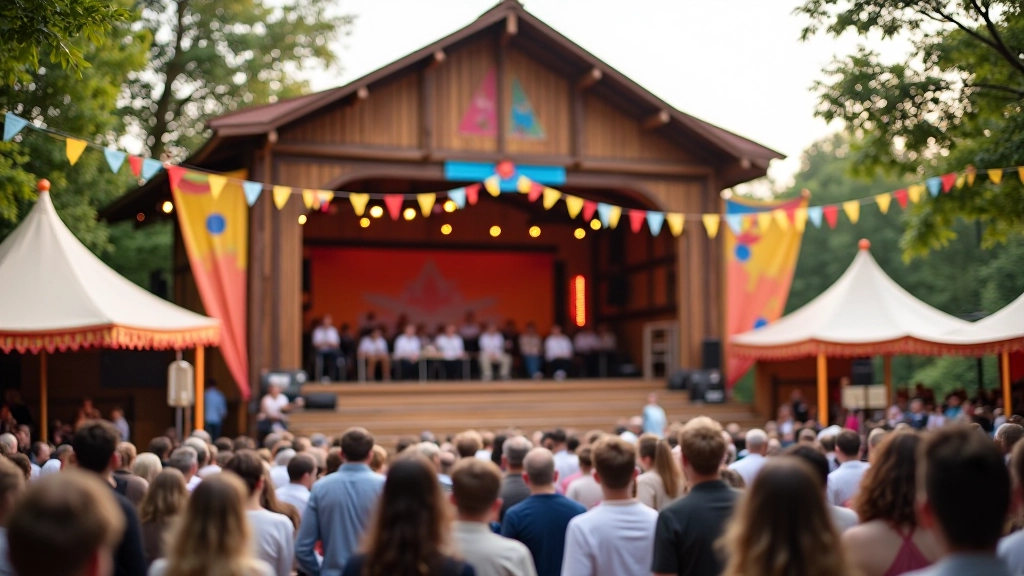
For generations, Easter in Moravia hasn’t meant just chocolate eggs and spring decorations. It’s meant something deeper — gatherings that tie communities together through music, dance, and traditions that’ve survived centuries. We’re talking about festivals where locals wear embroidered costumes their grandmothers wore, where folk bands play instruments handcrafted the old way, and where village squares transform into stages for performances that haven’t changed much since the 1800s.
After pandemic disruptions, these festivals are coming back stronger than ever. Villages across the region are preparing for what promises to be the biggest Easter celebration season in years. But what exactly happens at these events? Why do people care so much about keeping these traditions alive? And where can you actually experience them?
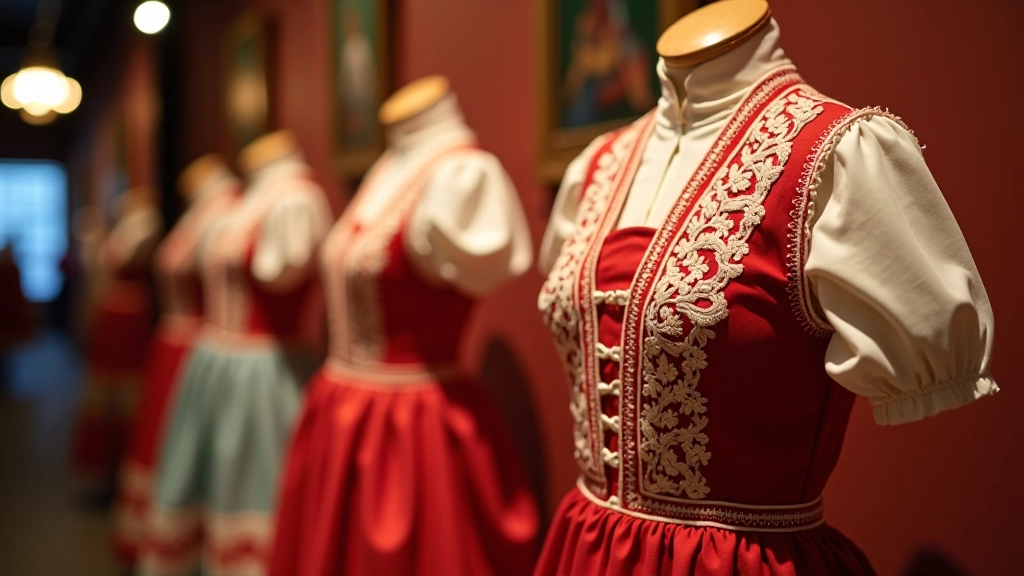
Moravian Easter festivals aren’t just performances you watch from a distance. They’re participatory events where the whole community gets involved. You’ll see traditional dances like the “Horymír,” a circle dance that’s been performed the same way for over 200 years. Musicians play instruments like the fujara (a wooden flute from the Carpathian tradition) and the vihuela, and dancers wear authentic costumes with embroidery patterns specific to their village.
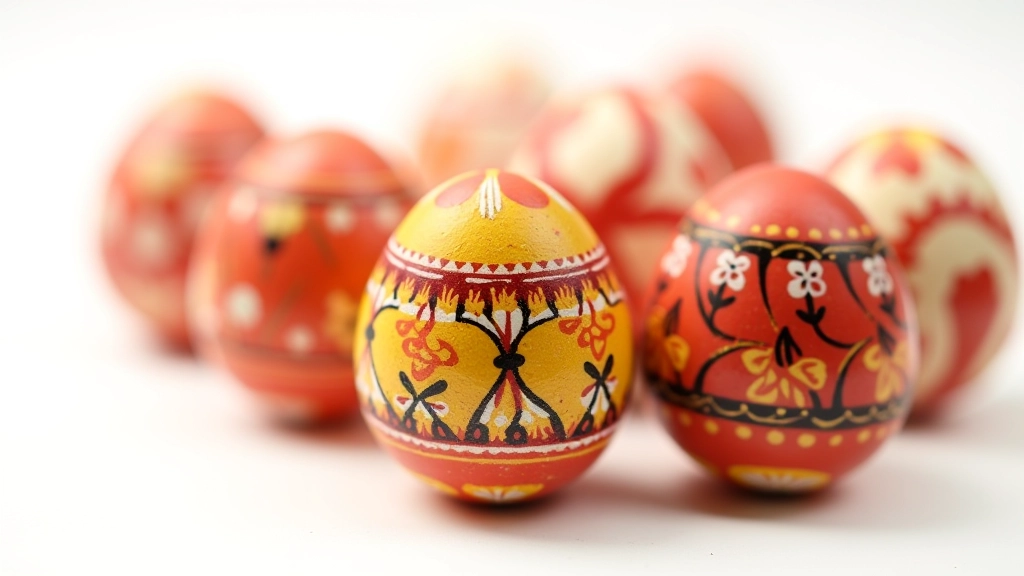
One distinctive element you’ll encounter is the “Easter greeting” tradition, where young men recite verses and songs to women and girls, who respond with painted eggs or small gifts. It’s not staged or performed — it’s genuinely how people interact during the festivals. The egg decoration itself, called “pisanky,” involves intricate wax-resist dyeing techniques that create detailed patterns. Most designs have symbolic meaning: stars represent success, flowers mean love, and geometric patterns symbolize protection.
Pro tip: If you’re visiting, arrive early in the morning. That’s when the traditional egg blessings and greetings happen — it’s the most authentic part of the experience before things get crowded later in the day.
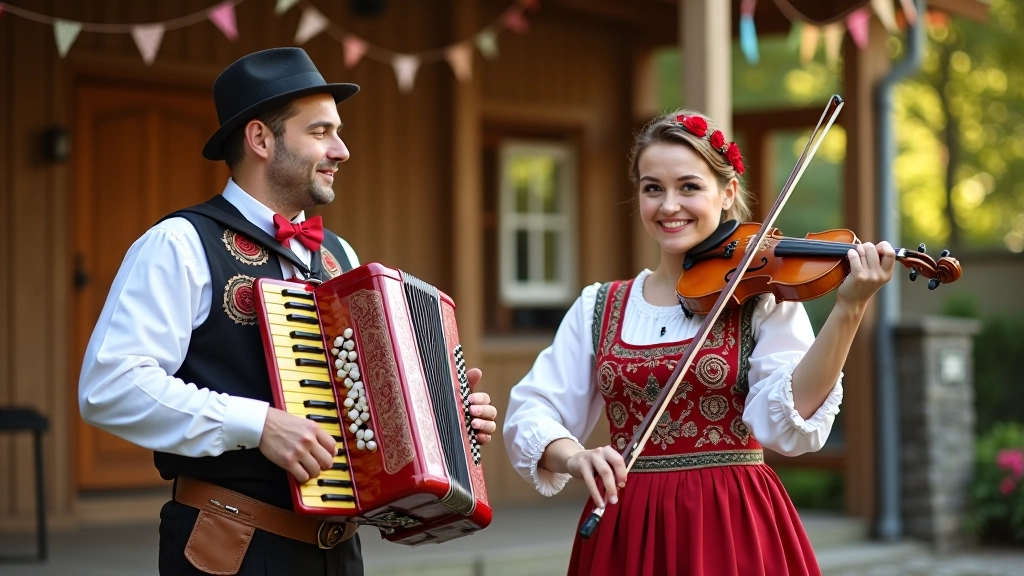
You can’t talk about Moravian Easter festivals without focusing on the music. Every village has its own folk ensemble — sometimes these groups have been performing together for decades. The music they play isn’t just entertainment. It’s storytelling. Songs tell stories about spring’s arrival, about romance, about the land and community connections.
The typical lineup includes accordion (button accordion, specifically), violin, cello, and sometimes clarinet or trumpet. What strikes most visitors is how lively and energetic the music is — these aren’t slow, mournful ballads. They’re dance tunes with infectious rhythms that get people moving. The “Valašské tance” (Wallachian dances) are particularly popular, featuring quick footwork and partner exchanges that look complicated but follow logical patterns once you watch them a few times.
Many festivals run from 10 AM through evening, with different ensembles taking the stage throughout the day. You might catch a children’s group in the morning, an adult ensemble at midday, and a special evening performance featuring the most accomplished dancers and musicians.
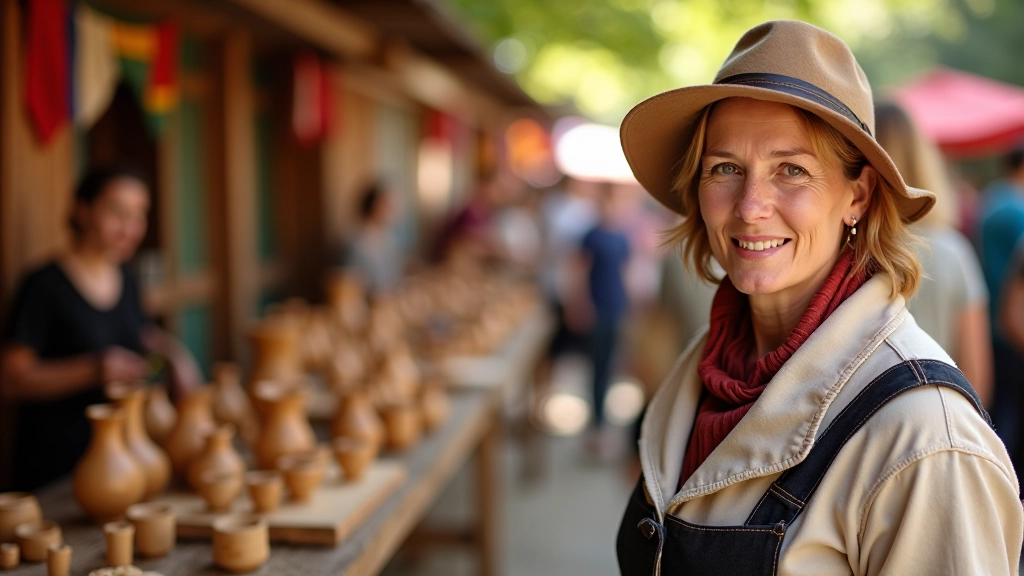
Beyond the stage, festivals showcase traditional crafts. You’ll find stalls with handwoven textiles, pottery made using techniques unchanged for generations, and woodcarving work that’s genuinely impressive. Many craftspeople are older community members who’ve been making these items their entire lives. Some are now teaching younger people — festivals often have “learning areas” where visitors can try their hand at simple crafts like egg painting or basic weaving.
Food is equally important. Every village has traditional Easter dishes — “chlebíčky” (open-faced sandwiches), “koláče” (sweet pastries with various fillings), and “mazanec” (a sweet bread with raisins). Most festivals have food vendors serving authentic regional cuisine. The “houby” (mushroom) pastries and fresh “klobása” (sausage) are particularly popular. Wine and “becherovka” (a traditional herbal liqueur) flow freely, making the atmosphere festive and social.
If you’re thinking about experiencing one of these festivals yourself, here’s what you need to know. The main festival season runs from late March through mid-April, with the busiest celebrations happening around Easter week itself.
Strážnice hosts the biggest Easter celebration with multiple stages, craft markets, and food vendors operating throughout the day. Vlčnov is known for its authenticity — it’s smaller and more intimate. Kunovice focuses on music and dance, drawing the most skilled folk ensembles from surrounding regions.
Most festivals are easily accessible by car or regional train. Festivals typically run 10 AM to 6 PM on weekends and major holidays. Coming on a Saturday or Easter Sunday guarantees the full experience. Mid-week visits are quieter and sometimes better for conversations with craftspeople and performers.
Wear comfortable walking shoes — you’ll be on your feet for hours. Bring cash (not all vendors have card readers). The weather’s unpredictable in late March and early April, so layers are essential. Don’t expect air conditioning or modern facilities — that’s part of the authentic charm.
One challenge these festivals face is generational change. Fewer young people are learning the traditional dances and music compared to 30 or 40 years ago. But there’s a counter-trend too. More young adults are coming back to these events — not just as observers, but as participants. Some are learning instruments specifically to join folk ensembles. Others are studying traditional crafts formally.
Cultural organizations throughout Moravia are investing in preservation efforts. The Moravian Museum in Brno runs regular workshops teaching traditional music and dance. Several villages have established cultural centers where people can learn pisanky egg decoration or textile weaving year-round. These aren’t museum exhibits — they’re active, living traditions with real community participation.
What’s interesting is how these festivals have become more welcoming to outsiders without losing authenticity. Visitors aren’t just watching from the sidelines anymore. Many festivals now have “visitor participation” sections where you can try dancing, learn basic craft techniques, or simply sit with locals over food and conversation. It’s this blend of preservation and openness that’s keeping Moravian Easter traditions thriving.
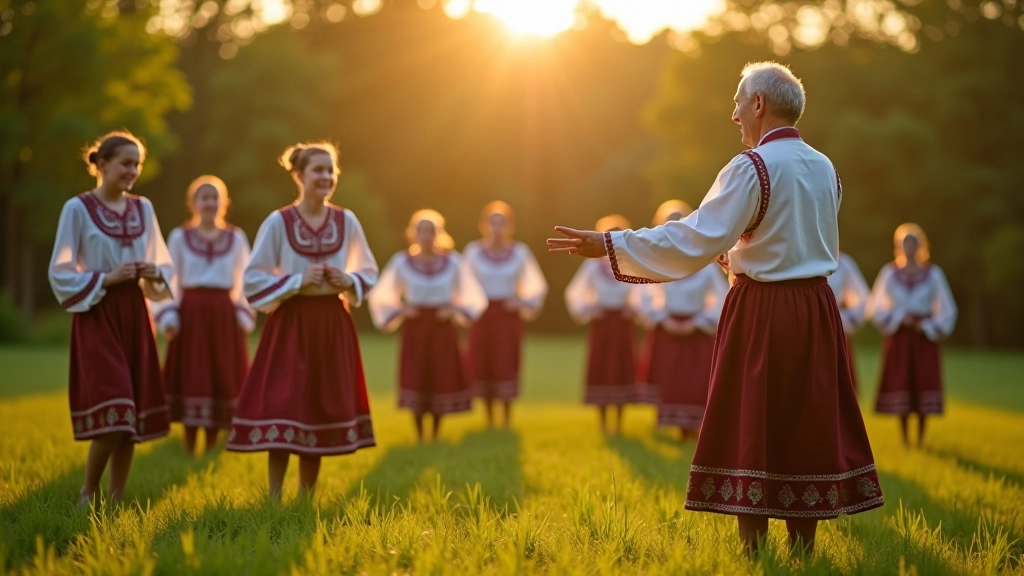
Moravian Easter festivals aren’t quaint historical reenactments. They’re living expressions of community identity. For participants and visitors alike, these events offer something increasingly rare — a genuine connection to place, history, and each other. In a world where so much feels temporary and digital, standing in a village square watching dancers perform the exact same steps their great-grandparents performed carries real weight.
If you’ve been curious about Czech cultural traditions or looking for something genuinely different to experience, these festivals deserve consideration. They’re worth the drive to a small Moravian village, worth arriving early to catch the morning blessings, and definitely worth the time to talk with the people who keep these traditions alive. That’s where the real story is — not just in what you see on stage, but in conversations with musicians, dancers, and craftspeople who’ve dedicated their lives to keeping this heritage vibrant.
Easter 2026 promises to be particularly special, as more communities are adding expanded programming and longer festival seasons. Mark your calendar, wear comfortable shoes, and prepare to step into a celebration that’s genuinely rooted in centuries of cultural continuity.
Contact local tourism offices in the Moravian region for current festival schedules, transportation information, and accommodation recommendations. Most villages maintain festival websites with program details, performer information, and practical visitor guides.
This article is provided for informational and educational purposes only. It aims to share knowledge about Moravian Easter festival traditions, cultural practices, and community events. The information presented is based on cultural documentation and community resources. Specific festival dates, schedules, and programming may vary by year and location. We recommend contacting local tourism offices, village cultural centers, or festival organizers directly for current, detailed information about specific events, accessibility accommodations, and practical visiting details. Cultural practices and traditions continue to evolve while maintaining their historical significance.