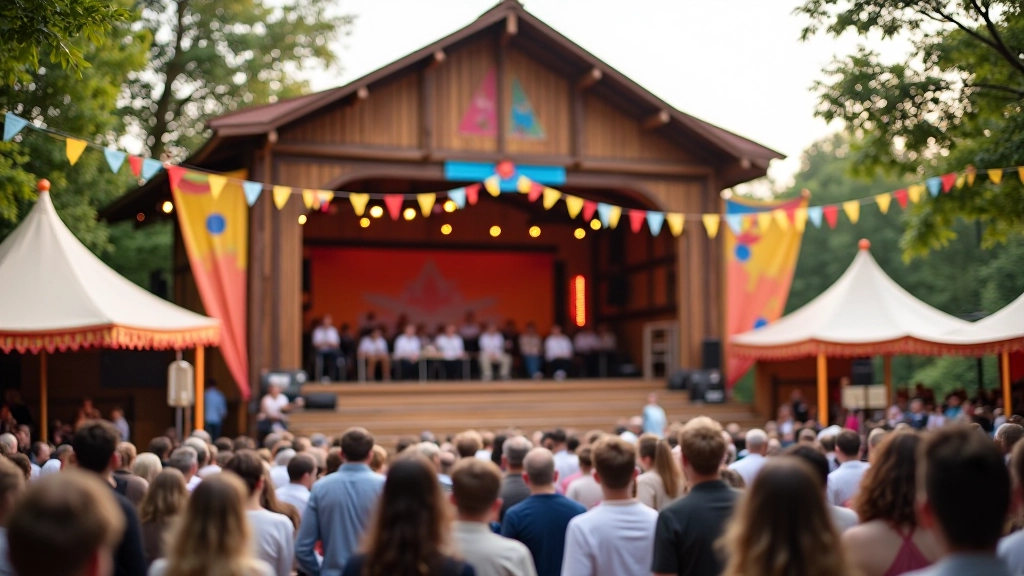

Prague Spring Sculpture Exhibition Opens to Public
Twelve local sculptors showcase new works exploring themes of heritage and transformation in a historic gallery space.
Read MoreThree world premieres of contemporary Czech compositions debut this season. Performances run from April through June at the historic concert hall.

The Brno Philharmonic’s spring lineup represents something special. We’re not just performing established classics—we’re bringing three brand-new compositions to life for the very first time. Each piece reflects contemporary Czech musical thinking, blending traditional orchestral elements with modern sensibilities.
These aren’t experimental works meant to challenge audiences or make them uncomfortable. They’re thoughtfully composed pieces that connect with listeners aged 40 to 60, many of whom’ve grown up with classical music but want to discover what today’s composers are creating. The composers themselves—all from the Czech Republic—bring diverse backgrounds and influences to their work.
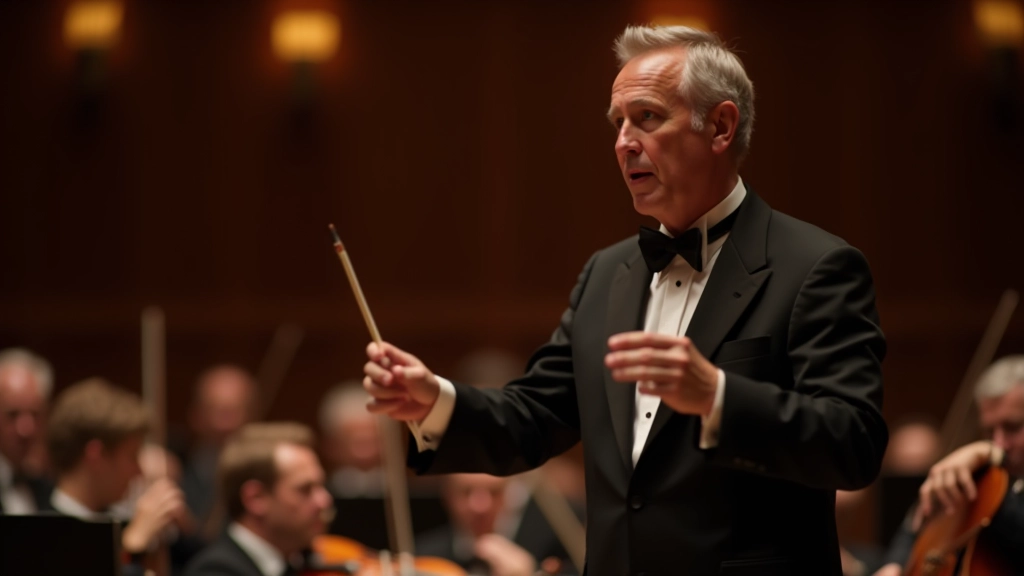
April opens with “Metamorphosis” by Jiří Kadeřábek. It’s a 28-minute work for full orchestra that explores transformation—not in an abstract sense, but through musical storytelling. Kadeřábek’s score draws inspiration from the changing seasons in Moravia, moving from sparse, isolated moments to rich, layered passages that build gradually. The piece doesn’t rush anywhere. Instead, it invites you to sit with musical ideas and watch them evolve.
May features “Resonance” by Elena Dubová, a younger composer whose work we haven’t heard much in concert halls. This 22-minute composition uses a smaller ensemble—strings, woodwinds, and a few brass instruments—creating an intimate sound despite the orchestra’s size. Dubová spent months interviewing residents from small Czech villages about sound and memory. That research shaped the piece deeply.
June closes the season with “Convergence” by Milan Staněk, perhaps the most ambitious of the three premieres at 35 minutes. Staněk combines full orchestra with a solo cello, creating dialogue between soloist and ensemble. The work asks: what happens when individual voices merge with something larger? It’s a question that resonates philosophically and musically.


If you’ve attended Brno Philharmonic concerts before, the format remains familiar. Performances begin at 7:30 PM on Friday and Saturday evenings, with Sunday matinees at 3:00 PM. Each premiere is paired with a classical work—April’s “Metamorphosis” follows Dvořák’s Symphony No. 8, May’s “Resonance” pairs with Smetana’s Vltava, and June’s “Convergence” concludes with Brahms’ Symphony No. 1.
This pairing approach isn’t accidental. The organizers want contemporary works to sit comfortably alongside the classics you already know and love. You’re not walking into something alien or avant-garde. Instead, you’re experiencing how Czech music continues evolving—respecting tradition while pushing gently forward.
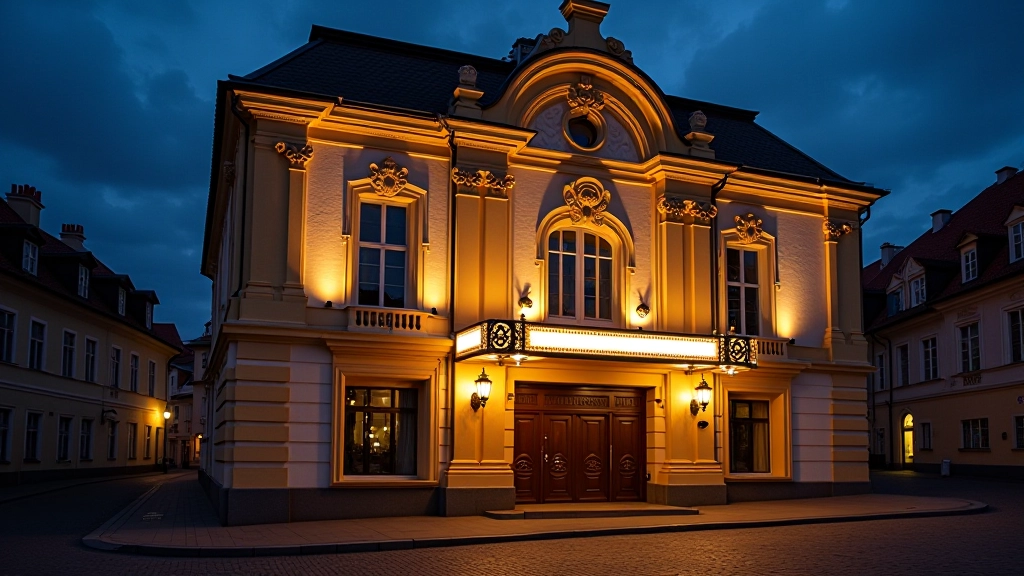
The concert hall itself is worth arriving early for. Built in 1873, the main auditorium seats 1,100 people with excellent acoustics. Whether you’re in the orchestra section or the upper balcony, the sound carries beautifully. The venue’s been meticulously maintained, with recent acoustic enhancements completed just last year.
First performances of “Metamorphosis,” “Resonance,” and “Convergence” by established and emerging Czech composers.
Each premiere paired with beloved works by Dvořák, Smetana, and Brahms to create balanced, accessible programs.
Friday and Saturday evening performances at 7:30 PM, plus Sunday matinees at 3:00 PM throughout the season.
Performances in the beautifully restored 1873 concert hall with 1,100 seats and exceptional acoustics throughout.
One of the season’s unique features is the chance to meet the composers themselves. Before each premiere, there’s a brief pre-concert talk—usually 15 to 20 minutes—where the composer discusses their work. These conversations aren’t academic lectures. Instead, they’re intimate discussions about what inspired each piece and what the composer hopes listeners will experience.
Jiří Kadeřábek, who’s been composing for over 25 years, will discuss how he captured the essence of seasonal change in “Metamorphosis.” Elena Dubová, making her philharmonic debut with “Resonance,” will share how interviews with villagers became musical material. Milan Staněk will explain the philosophical questions underlying “Convergence” and why a single cello voice became so essential to the work.
These pre-concert conversations have become increasingly popular. Many attendees arrive 30 minutes early just to secure good seating for the talk. It’s a wonderful way to deepen your connection with the music you’re about to hear—and to understand that contemporary composition isn’t distant or abstract. It’s deeply rooted in the lived experience of the composers creating it.
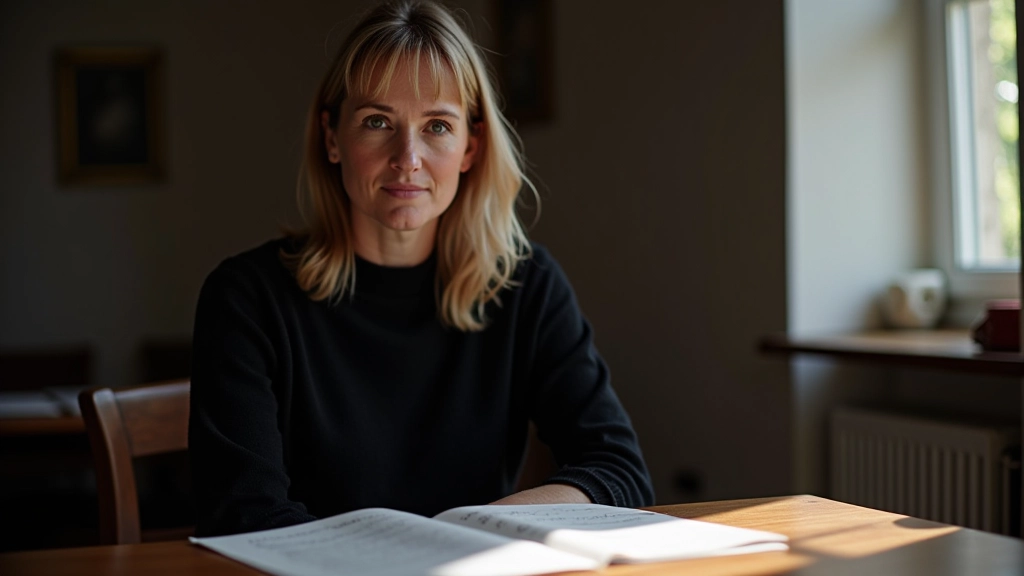
The Brno Philharmonic’s spring premieres represent something vital in Czech cultural life. These aren’t performances designed to impress critics or win awards—though they may well do both. Instead, they’re invitations to experience how Czech composers are thinking about music right now, in 2026. What concerns them? What sounds matter? How do they balance respect for tradition with the desire to create something new?
For audiences aged 40 and up who’ve supported classical music throughout their lives, this season offers genuine discovery. You’re not being asked to abandon what you love. Rather, you’re being invited to expand your listening, to sit with unfamiliar works and let them reveal themselves over time. That’s what attending a premiere really means—being present for a first encounter, experiencing a work exactly as it was imagined.
The concerts run from April through June, giving you plenty of opportunity to attend. Whether you choose one premiere or follow all three, you’ll be supporting living composers and contributing to the ongoing vitality of Czech musical culture. That matters. It’s how traditions remain alive—not by preserving the past unchanged, but by creating space for new voices within established institutions.