
Prague Spring Sculpture Exhibition Opens to Public
Twelve local sculptors showcase new works exploring themes of heritage and transformation in a major spring exhibition.
Read MoreAfter three years of restoration, the century-old venue launches its most ambitious season yet with six new theatrical productions balancing classic repertoire and innovative contemporary works.
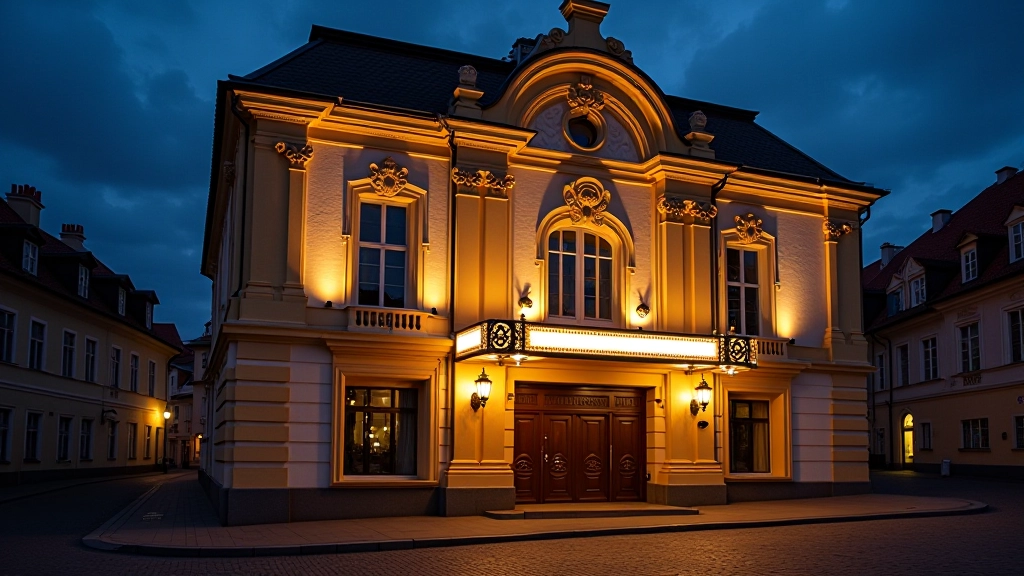
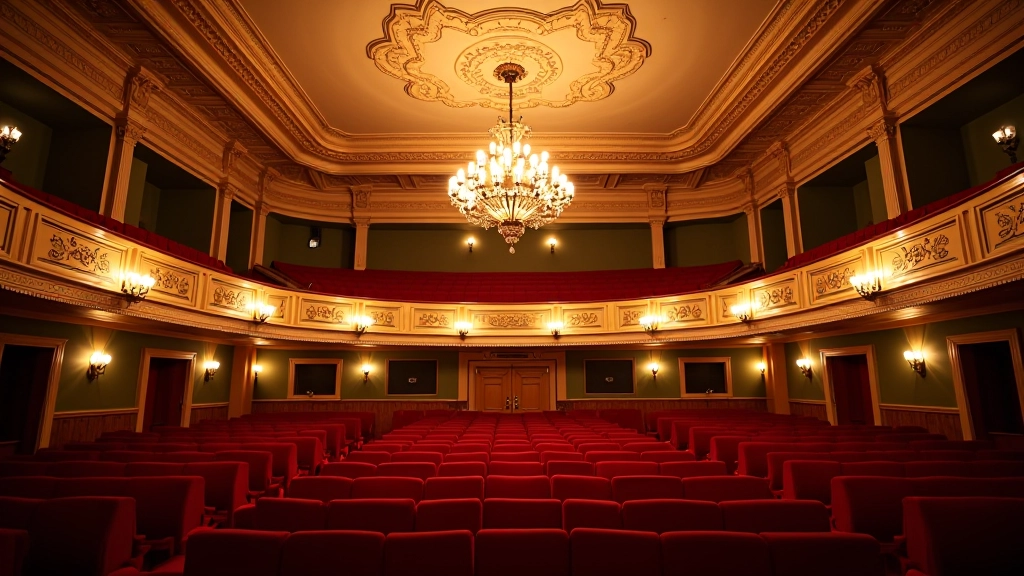
The Národní divadlo Moravskoslezské, built in 1899, has been the cultural heart of Ostrava for generations. It’s a building that carries history in its walls — ornate balconies, gilded detailing, a stage that’s witnessed everything from classical drama to avant-garde performances. When the doors closed in 2023 for comprehensive restoration, many wondered if it would ever truly capture the magic people remembered.
The restoration wasn’t about erasing the past. Architects and conservators worked carefully to preserve original art deco elements while updating infrastructure that hadn’t been touched since the 1970s. New acoustic systems, improved seating, better lighting rigs — the invisible work that lets audiences focus on what matters: the performance itself. The team spent months researching archival photographs to restore the original color schemes in the lobby and corridors.
The reopening season runs from April through October and deliberately mixes artistic approaches. You’ll see works that’ve been performed for over a century alongside pieces written in the last few years. That balance is intentional.
Three productions anchor the classical side. There’s Chekhov’s The Seagull , directed by Milan Jungmann, who’s known for stripping away sentimentality and finding raw psychological tension in the text. Then comes Hamlet — the Czech translation by Vladimír Havel — performed in a modern staging that relocates the action to a contemporary corporate setting. The third classical offering is Molière’s The Misanthrope , a comedy that somehow feels more relevant now than when it premiered in 1666.
The contemporary works are where things get experimental. A new play by Petra Bezáčová, Šedá města (Grey Cities), explores what happens when industrial towns face economic transformation — relevant to Ostrava’s own history. There’s also a physical theatre piece that doesn’t rely on dialogue, and a multimedia work combining live performance with projection mapping.

The theatre’s artistic director, Kateřina Svobodová, spent two years planning this season before restoration even finished. She wanted productions that’d appeal to longtime theatre-goers while also pulling in people who haven’t visited in years or haven’t been at all.
Each production runs for 4-6 weeks with 3-4 performances per week. That’s deliberate scheduling — it gives audiences flexibility. You’re not forced into “now or never” thinking. The company also performs matinees on weekends, which matters for people who prefer afternoon shows or want to bring teenagers who can stay awake during a 7 p.m. curtain.
The season launches with The Seagull on April 15th, followed by the multimedia work in May. This staggered approach means the theatre isn’t trying to do everything at once. Each production gets proper attention from technical crews and the acting company. It’s the difference between a theatre that’s rushing and one that’s confident.
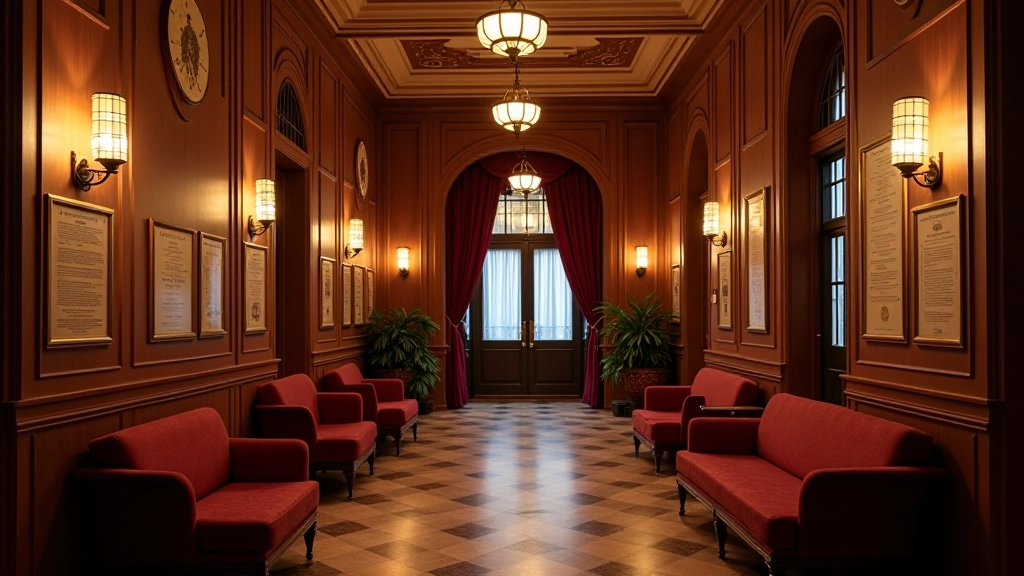
For people who grew up in Ostrava, this theatre is more than a performance venue. It’s a landmark. Parents took their teenagers to their first plays here. Couples had first dates in those velvet seats. The building itself is part of the city’s identity — a reminder that cultural life matters, that communities invest in spaces for art and gathering.
The reopening signals something important: Ostrava isn’t just a city working to recover from industrial decline. It’s actively creating cultural experiences. The theatre’s budget for this season is substantial — roughly 12 million koruna — split between artist fees, technical production, building maintenance, and staff. That money stays in the local economy.
Beyond economics, there’s something about live theatre that’s irreplaceable. You’re in a room with other people watching actors perform in real time. There’s no pause button, no second chance, no algorithm deciding what you see next. Everyone in that theatre is having the same experience simultaneously. That’s become rarer.

Opening night is April 15th. The theatre’s been dark for three years, and now it’s ready. The seats have been reupholstered, the stage lights work properly, the sound system doesn’t buzz during quiet moments. More importantly, there’s a full season of work ahead — performances that’ve been carefully chosen, directors who understand what they’re doing, actors who’ve been rehearsing for weeks.
If you’ve been away from live theatre, this is a good moment to return. If you’ve never been, there’s no better time to start. The theatre’s reopening isn’t just about fixing a building. It’s about affirming that these spaces matter — that communities need places where people gather to watch stories unfold, to sit in the dark together, to remember why we tell stories at all.
Tickets go on sale March 20th through the theatre’s website and box office. Most performances have multiple showtimes, and pricing is structured to be accessible — student discounts, group rates, occasional pay-what-you-wish performances. The point isn’t to maximize revenue. It’s to fill those seats with people who want to be there.
This article provides informational content about the Národní divadlo Moravskoslezské reopening and its 2026 season. Details about productions, dates, and programming are based on official announcements and publicly available information. For the most current information, ticket availability, and performance schedules, we recommend visiting the theatre’s official website or contacting their box office directly. Programme details and dates may be subject to change. This is an educational resource meant to inform readers about cultural events in the Czech Republic.